
Bite and Alignment Problems (Malocclusion) Treated in Shelby Township
A malocclusion is a bite where the teeth or jaws do not line up. Dr. Thomas Fredal Jr. is an orthodontic specialist. He treats crooked and crowded teeth, gaps and bite problems. He also treats narrow arches (rows of teeth that are too narrow) and airway-related orthodontic concerns.
*For new patients only. Patients transferring from another orthodontist: $250 consultation fee, credited toward treatment if they start here.
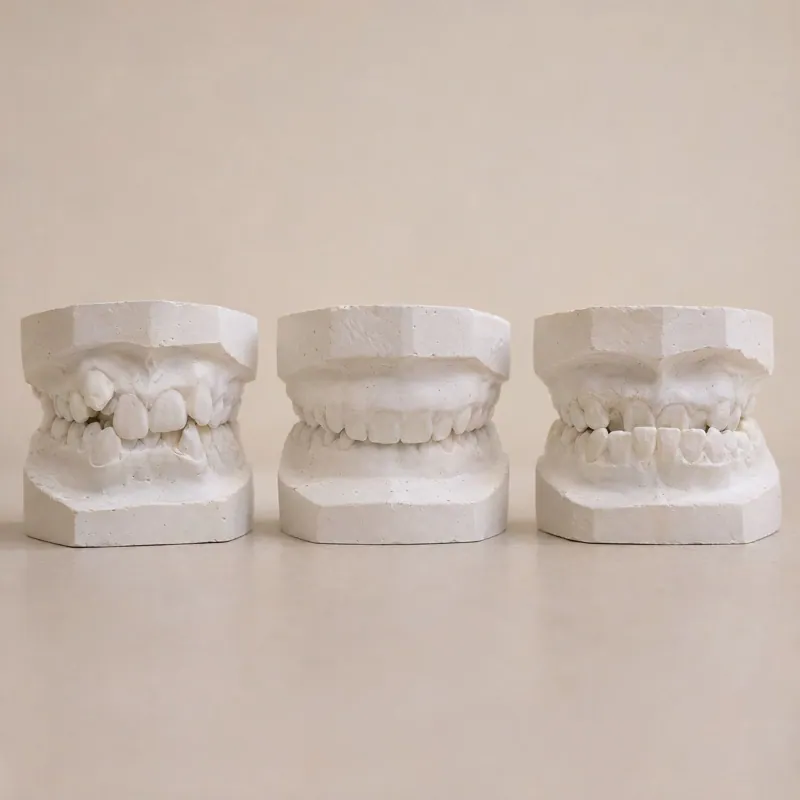
Orthodontic Problems Evaluated at Fredal Orthodontics
Each card below names a condition and links to a page about it. Not sure which one fits? At a consultation, Dr. Fredal personally reviews your complete records and gives you his treatment recommendation.
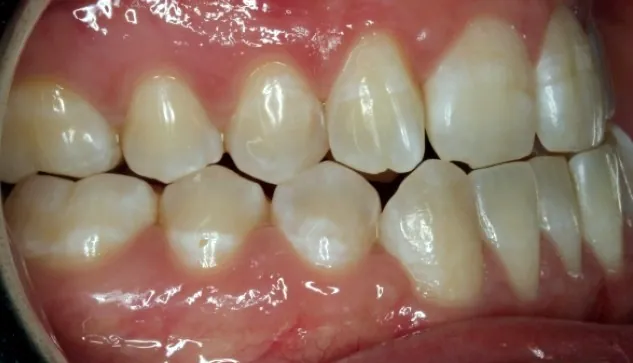
Crowding
Crowded teeth do not have enough room to line up straight, so they overlap or turn. When it is clinically appropriate, Dr. Fredal aims to make room without removing healthy permanent teeth. He also routinely treats adults whose crowding has returned after earlier braces.
Causes, severity & treatment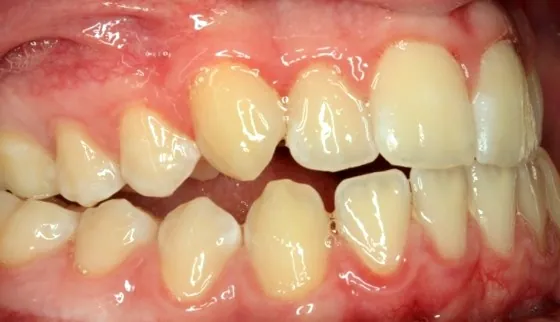
Overbite (Deep Bite)
A deep bite is when the upper front teeth cover too much of the lower front teeth. Dr. Fredal typically recommends braces rather than Invisalign for a severe deep bite.
Causes, severity & treatment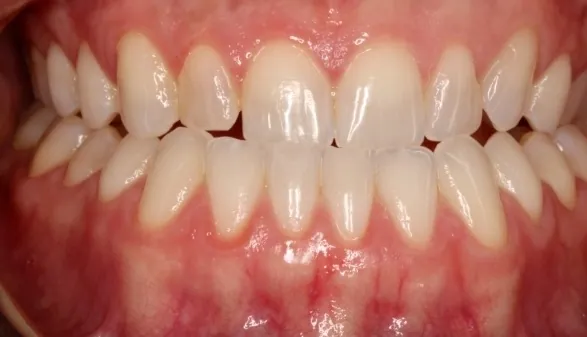
Underbite
An underbite means the lower front teeth sit in front of the upper front teeth when the jaws close.
Causes, severity & treatment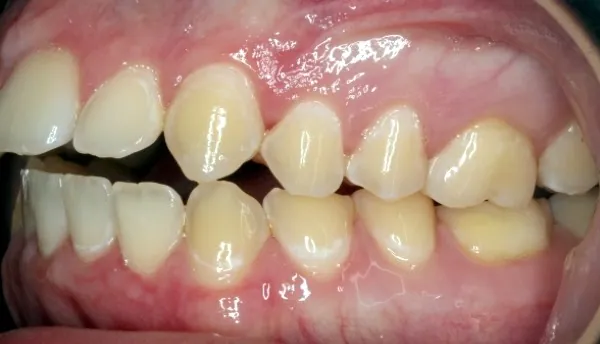
Open Bite
An open bite is a gap between your upper and lower front teeth when you bite down.
Causes, severity & treatment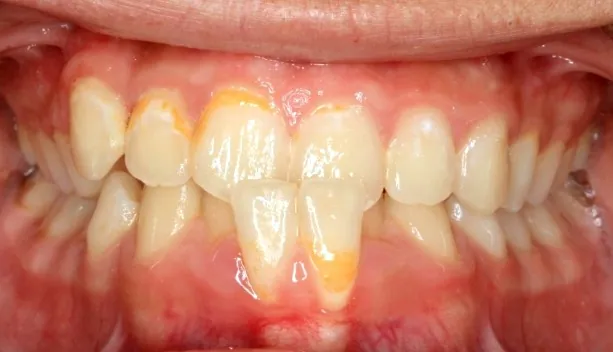
Crossbite
A crossbite is when one or more upper teeth bite inside the lower teeth, not outside them. It can affect one side of the mouth or both. Dr. Fredal treats crossbites.
Causes, severity & treatment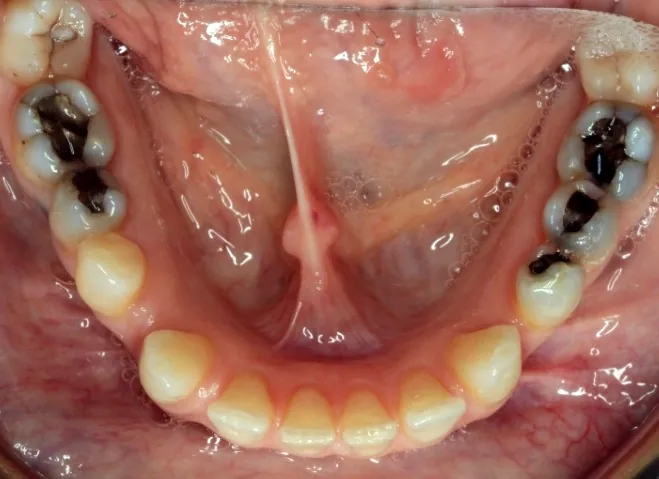
Spacing & Gaps
Spacing means gaps between teeth that sit side by side. For significant spacing (large gaps between the teeth), Dr. Fredal typically recommends braces rather than Invisalign.
Causes, severity & treatment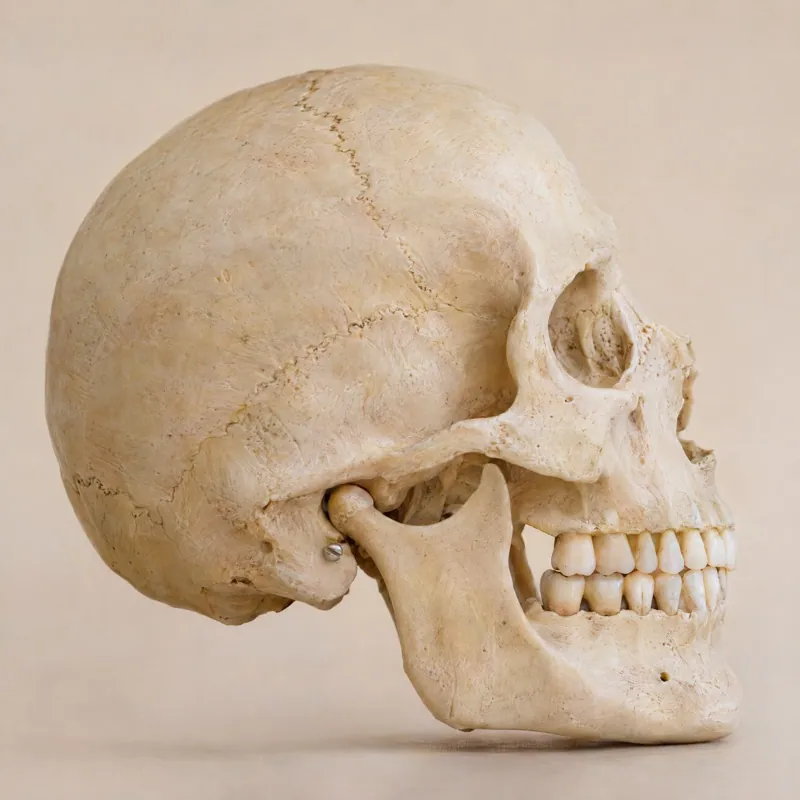
TMJ & Jaw Pain
The TMJ is the jaw joint. TMD (temporomandibular disorder) is a problem with the jaw joints, the muscles that move the jaw, or both. Dr. Fredal screens the bite, jaw joints and muscles at the consultation. With active or concerning symptoms, orthodontic treatment waits until a qualified specialist has evaluated and cleared you. Braces and Invisalign are not offered as a treatment or cure for TMD.
Screening & referral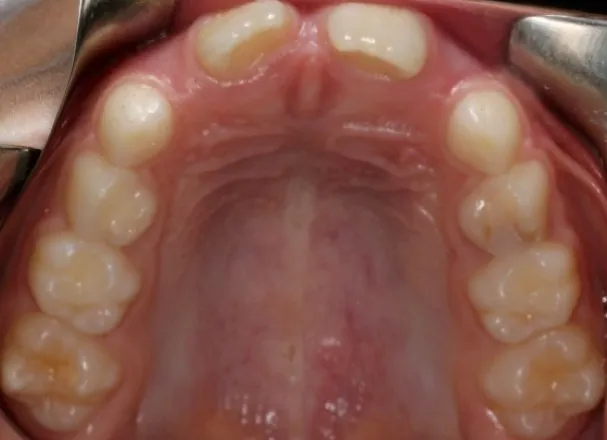
Mouth Breathing
Habitual mouth breathing means breathing through the mouth by habit instead of through the nose. Dr. Fredal screens for mouth-breathing patterns at every comprehensive orthodontic consultation. This screening does not diagnose sleep apnea.
Causes, airway & treatment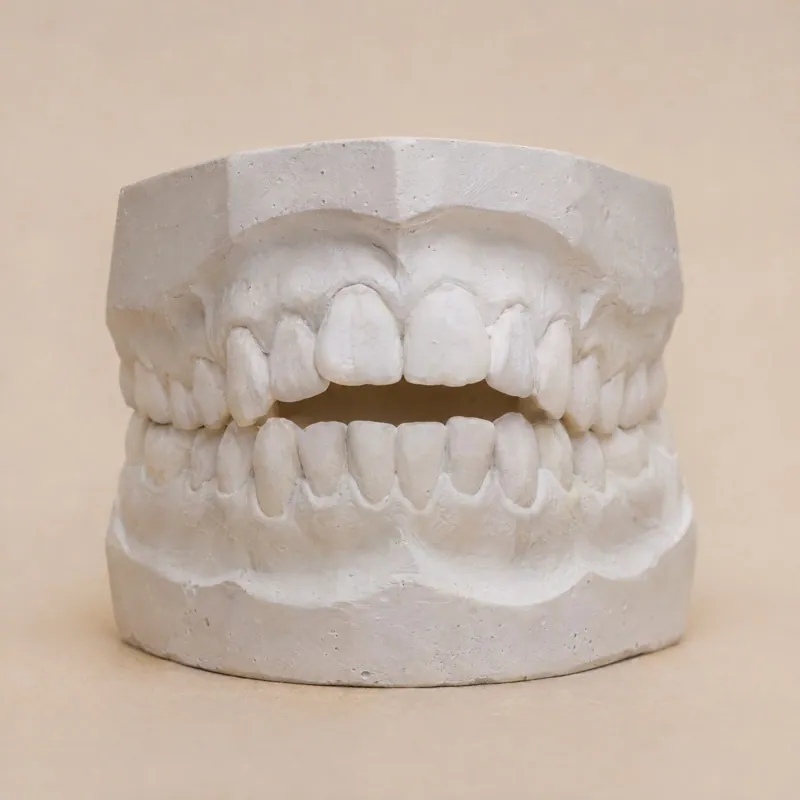
Tongue Thrust
A tongue thrust is when the tongue pushes against or between the front teeth during a swallow. Dr. Fredal fits habit appliances (appliances worn in the mouth to help stop a habit).
Diagnosis & treatment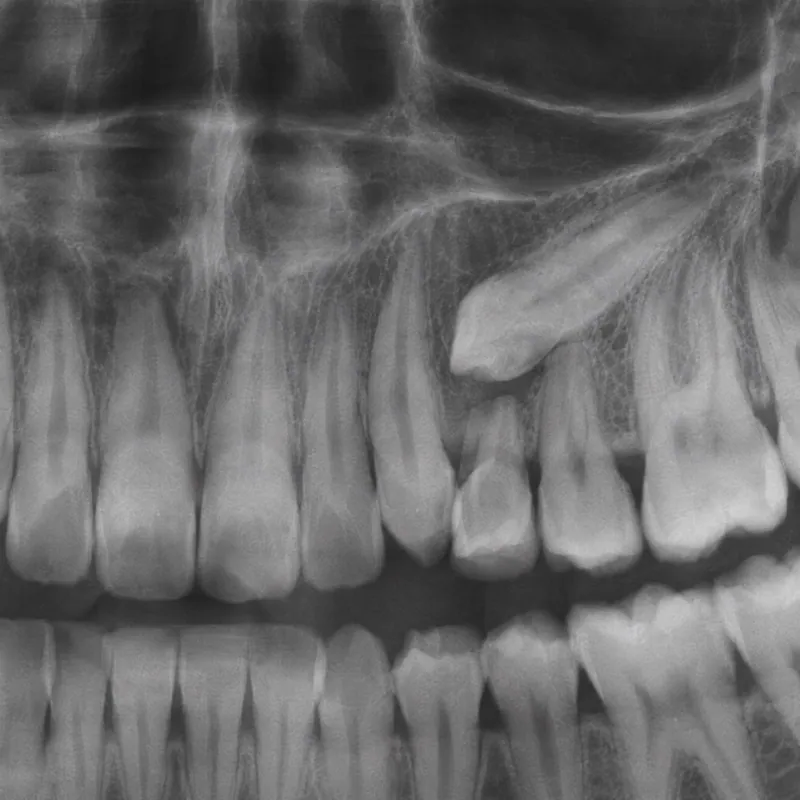
Impacted Canine
An impacted canine is a canine (eye tooth) that has not come into its normal place in the mouth.
Diagnosis, surgery & treatmentEarly Orthodontic Evaluation by Age 7
Dr. Fredal agrees that every child should have an orthodontic evaluation by age 7. Each evaluation includes an i-CAT CBCT scan, a 3D X-ray scan. With it, he can check jaw growth, teeth that are still coming in and the airway.
In his view, one of the biggest mistakes in orthodontic treatment is starting before the timing is right. He carefully checks growth, how the teeth are developing, how the jaws relate and the goals of treatment. This shows him how to treat and when treatment should begin.
When early treatment is indicated, he uses approaches such as palatal expansion (widening the upper jaw) while a child is still developing. Sometimes he recommends against treatment.
Most Phase 1 treatment at Fredal Orthodontics combines a palatal expander with limited braces. In some cases, an expander alone is the most appropriate treatment. He also offers Invisalign First for early orthodontic treatment. Each recommendation follows the child’s own growth pattern, bite and orthodontic needs.
How Fredal Orthodontics Approaches These Conditions
Fredal Orthodontics is a private practice with one doctor. Dr. Fredal personally plans and oversees every patient’s treatment. In his view, choosing an orthodontist should come down to the diagnosis, the treatment plan and who will personally oversee your care.
Specialist Training and Biomechanics
Dr. Fredal trained as a specialist in orthodontics and dentofacial orthopedics (guiding how the jaws and face grow). That training shapes how he diagnoses and plans each case. When braces are needed, he uses the Damon Ultima system. He carefully plans the biomechanics (how forces move the teeth). In his view, the appliance itself does not replace a proper diagnosis.
Conservative Planning
Dr. Fredal’s approach is conservative and based on evidence. He recommends removing teeth only when it is truly necessary, and only after a full evaluation and a thorough talk about every option. The choice does not rest on crowding alone. He also weighs the face in profile, lip support, the position of the front teeth, smile width, gum health, function and long-term stability.
The choice between orthodontic treatment alone and jaw surgery depends on the case. Dr. Fredal weighs how severe the mismatch between the jaws is, facial balance and profile, the bite, tooth position, function and your treatment goals.
The Whole Patient, Not Only the Teeth
Dr. Fredal looks at the whole patient, not only at straightening the teeth. He checks facial balance, how the jaws relate, growth, the position of the front teeth and lip support. He also checks the smile, the bite, the airway, gum and bone support, root position and long-term stability.
In his view, a tooth can be moved into a straight position and still sit in the wrong place for the face, lips, smile, supporting bone or opposing teeth.
Your Consultation, Step by Step
Your consultation at Fredal Orthodontics takes 50 minutes, including 20 minutes with Dr. Fredal. He personally conducts every consultation.
-
1
3D Imaging
Every new-patient consultation includes a free 3D CBCT scan. The scan is taken on the practice’s own CBCT machine.
-
2
Digital Intraoral Scan
An iTero Lumina scanner takes a digital scan of your teeth. Clinical photographs of your face and teeth are taken too.
-
3
Merged 3D Records
The CBCT and iTero scans are merged for a fully digital diagnosis in three dimensions. This lets Dr. Fredal evaluate the roots, the surrounding bone, how the jaws relate and the airway, not only the crowns (the parts of the teeth you can see).
-
4
Records Review with Dr. Fredal
Dr. Fredal personally reviews the complete records with each patient. From the 3D scan, the photographs and the digital impressions, he evaluates facial symmetry, jaw function, airway findings, soft tissue and tooth position. Clinical decisions are not delegated to an assistant at any stage.
At a comprehensive consultation, the practice also reviews your health history. It looks for mouth breathing by habit, snoring, restless or broken sleep and other sleep concerns.
Many comprehensive cases are completed in about 12 to 18 months. Treatment time depends on how complex the case is, the tooth movements needed, growth and how closely the patient follows the plan. After the diagnostic evaluation, Dr. Fredal gives you a treatment-time estimate for your own case.
-
5
Your Recommendation and Exact Cost
Dr. Fredal gives you his treatment recommendation, and you get the exact treatment cost in writing. You can also talk through your treatment options and financial options.
*For new patients only. Patients transferring from another orthodontist: $250 consultation fee, credited toward treatment if they start here.
Treatment Options at Fredal Orthodontics
What Dr. Fredal finds can change the plan. It can decide whether to use expansion, extract teeth, modify growth, use braces or Invisalign, or combine the two. It can also lead him to recommend surgery or interdisciplinary treatment (care shared with other specialists).
For a severe deep bite or significant spacing, Dr. Fredal typically recommends braces rather than Invisalign. Some plans start with braces for the hardest movements, such as a significant deep bite, then switch to Invisalign to finish. This hybrid treatment is included in the fee and is not needed for every patient.
For crowding, comprehensive metal braces start at $5,280, and comprehensive Invisalign starts at $5,280 as well. Phase 1 early treatment starts at $2,980 with braces and at $3,480 with Invisalign First. A palatal expander starts at $2,980. The fee does not change with how long treatment takes.
Starting fees shown are estimates and may vary based on individual treatment needs, case complexity, and the specific treatment plan recommended by Dr. Fredal. Final treatment fees are determined following your complimentary consultation and diagnostic evaluation. Prices are subject to change.
Fees, payment options and insurance are explained on the braces fees, Invisalign fees and insurance pages.
For an open bite, treatment depends on the cause and how severe it is. Depending on the patient, Dr. Fredal may use Invisalign or braces. He may also use posterior intrusion (moving the back teeth deeper into the jawbone) or TADs (small, temporary mini-screws used as anchors). He refers TAD placement to another provider.
For an impacted canine, Dr. Fredal uses 3D CBCT imaging to check the tooth, its root position and the teeth next to it. If surgical exposure (uncovering the tooth) is needed, he works with an oral surgeon or periodontist (a gum specialist). Orthodontic treatment to guide the tooth follows.
For a tongue thrust, when supervised retraining is indicated, he refers patients to trusted local myofunctional therapists, who guide exercises for the tongue, lip and face muscles.
For mouth breathing, he uses the CBCT scan (a 3D X-ray scan) to evaluate the upper airway. If he finds concerning symptoms or structural findings, he refers you to an ENT (an ear, nose and throat doctor).
For TMJ and jaw pain, Dr. Fredal screens and refers. After a qualified specialist clears you, orthodontic treatment may go ahead when it is needed for a separate orthodontic reason.


Frequently Asked Questions About Orthodontic Problems
Which bite and alignment problems does Fredal Orthodontics treat?
Dr. Fredal treats crooked teeth, crowding, gaps, overbite, underbite and crossbite. He also treats narrow arches (rows of teeth that are too narrow) and airway-related orthodontic concerns. Children, teens and adults are all treated at the practice. Each condition card above links to a page about that condition.
Can teeth look straight and still have a bite problem?
Yes. In Dr. Fredal’s view a tooth can be technically straight and still be in the wrong position once the face, the lips, the smile, the supporting bone and the opposing teeth are taken into account. So he judges the bite, how the jaws relate, gum and bone support and where the roots sit, not only how the front teeth look. His goal includes a bite that works.
Does Dr. Fredal ever recommend against treatment?
Yes. Sometimes his recommendation is to wait, or not to treat. Starting treatment before the timing is right is, in his view, one of the biggest mistakes in orthodontics, so he weighs growth, how the teeth are developing, how the jaws relate and the goals of treatment first. That tells him whether to treat, how to treat and when to begin.
What options besides braces and Invisalign does Dr. Fredal offer or coordinate?
Dr. Fredal uses palatal expanders and habit appliances, and he treats growing children with a reverse-pull facemask, a removable frame worn on the face and connected by elastics to an appliance on the upper teeth. If a case needs a TAD, a small temporary mini-screw used as an anchor, another provider places it. Jaw surgery is coordinated with an oral surgeon.
Is airway screening part of every comprehensive consultation?
Yes. Dr. Fredal includes airway screening in every comprehensive orthodontic consultation. Because the practice takes an i-CAT CBCT scan as part of its records, he evaluates the upper airway in three dimensions. He also checks tonsils and adenoids when they are visible, nasal anatomy, tongue posture and mouth-breathing patterns. His screening does not diagnose sleep apnea.
Who plans and oversees treatment at Fredal Orthodontics?
Dr. Fredal does, himself. Fredal Orthodontics is a private practice with one orthodontist, so the same doctor diagnoses the case, writes the plan and supervises the treatment. He conducts every consultation personally, including the 20 minutes of doctor time in the 50-minute visit, and he reviews your records with you.
Concerned about your bite or your child’s teeth?
A consultation at Fredal Orthodontics in Shelby Township is free for new patients and includes a 3D CBCT scan on the i-CAT FLX V17. A second opinion on treatment you are having elsewhere is free too. A return consultation before you start treatment is also free, unless you missed a consultation as a no-show; then it costs $100.
*For new patients only. Patients transferring from another orthodontist: $250 consultation fee, credited toward treatment if they start here.